Home › Drywall Repair for Rentals and Move-Outs
Superior Drywall New York provides rental property drywall repair in New York, NY tailored to landlords and property managers. We patch holes, fix dents, and prep walls for paint between tenants. Count on quick response and tidy work that helps you turn units faster.
Superior Drywall New York provides professional rental property drywall repair throughout New York, NY, New York and the surrounding area. Our licensed, insured crew delivers safe, clean, on-time work with a free estimate before anything begins. Call (332) 244-4102 or request your free quote.
Rental drywall repair that protects your investment in New York City
Turnovers in New York City move fast. One tenant is packing a truck on Friday, the next one is signing a lease on Monday. Superior Drywall New York focuses on rental property drywall repair that fits that pace. We help landlords, property managers, and brokers get apartments and small buildings move‑in ready quickly, without shortcuts that show up on the next walk‑through.
Because we are based right here in New York, NY, we understand the realities of pre‑war walk‑ups in the East Village, post‑war buildings on the Upper East Side, and newer high‑rises in Midtown. Each has different wall construction, previous patch history, and building rules that affect how drywall repair should be handled. Our goal is simple: repair damage so cleanly that a prospective tenant cannot tell anything was ever wrong, and you can turn the unit over at full market rent.
Common drywall issues at move‑out in NYC rentals
Rental units in New York see heavy use. At move‑out we regularly see a predictable pattern of drywall problems:
• Anchor and screw holes from mounted TVs, shelves, and curtain rods.
• Hairline and stair‑step cracks at corners or above door frames from building settlement and vibration from subway lines or nearby construction.
• Dents and abrasions from furniture moves in narrow hallways and tight stairwells.
• Larger holes behind doors where knobs hit walls, or where furniture punched through during a rushed move.
• Surface bubbling or peeling where moisture from window A/C units or bathroom steam has affected the paint and top layer of the drywall.
A key part of rental property drywall repair is separating true structural issues from cosmetic ones. For example, if we see a recurring crack at the same ceiling seam in multiple units in a building in New York, NY, we know it may be tied to building movement or an old plaster‑over‑lath substrate. We explain what is purely visual and what may merit a deeper look, so you can budget responsibly instead of being surprised during the next turnover.
How Superior Drywall New York repairs rental drywall step by step
Our drywall repair process is designed around the short windows between tenants.
1. Assessment and photos: We walk the unit with you or independently, taking photos of every damaged area. For property managers who are off‑site, we can send a labeled photo report so you can compare to move‑in condition records.
2. Protection and prep: We protect floors and remaining fixtures with clean plastic and drop cloths, and we use low‑dust sanding methods where possible so the unit stays showable. In elevator buildings, we follow your building rules for elevator pads and work hours.
3. Small holes and cracks: Nail holes and minor dings are filled with a quick‑setting joint compound that is appropriate for New York’s humid summers and dry winters. We do not rely on premixed spackle alone, since it often shrinks and prints through new paint in a season or two.
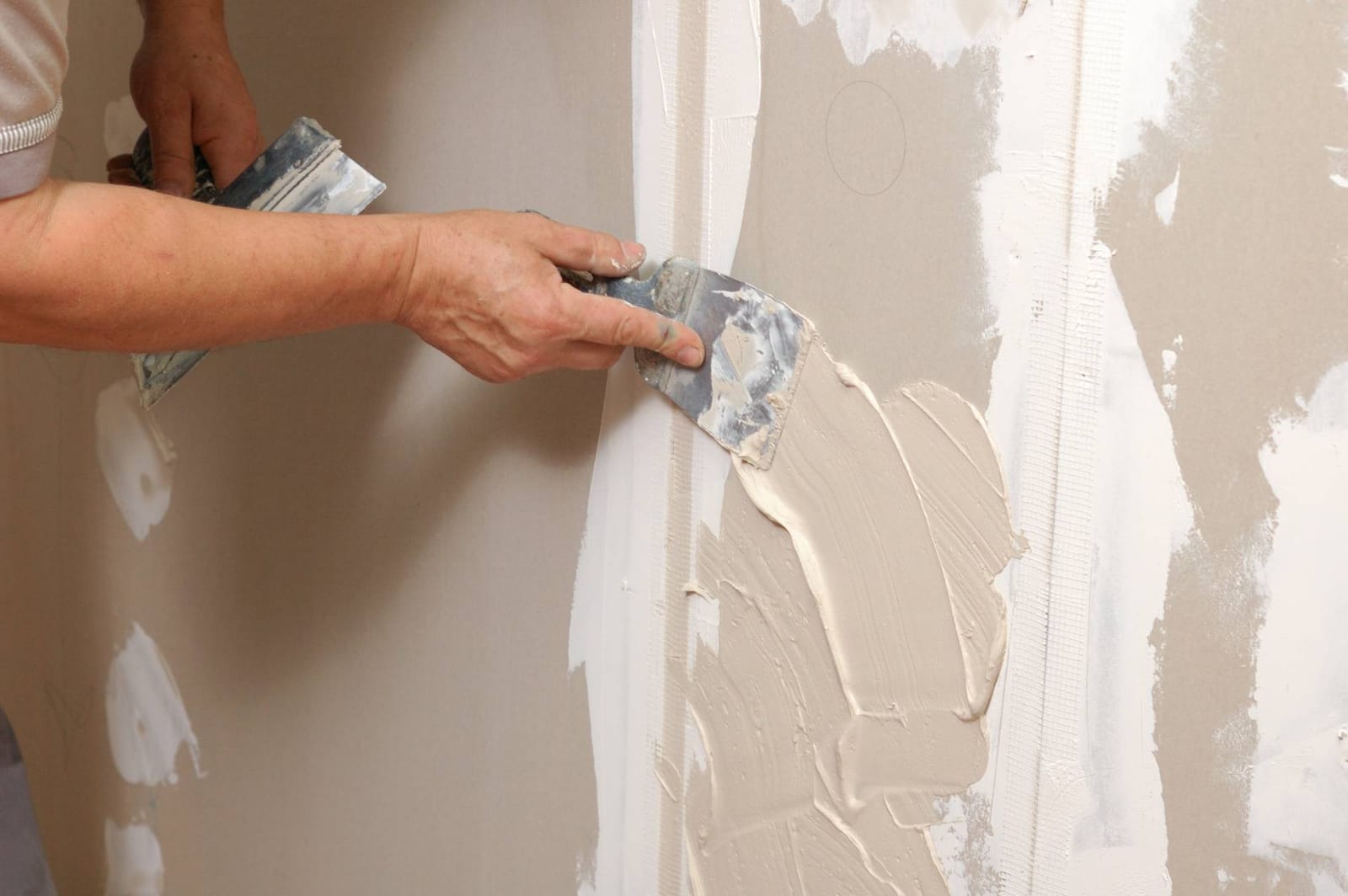
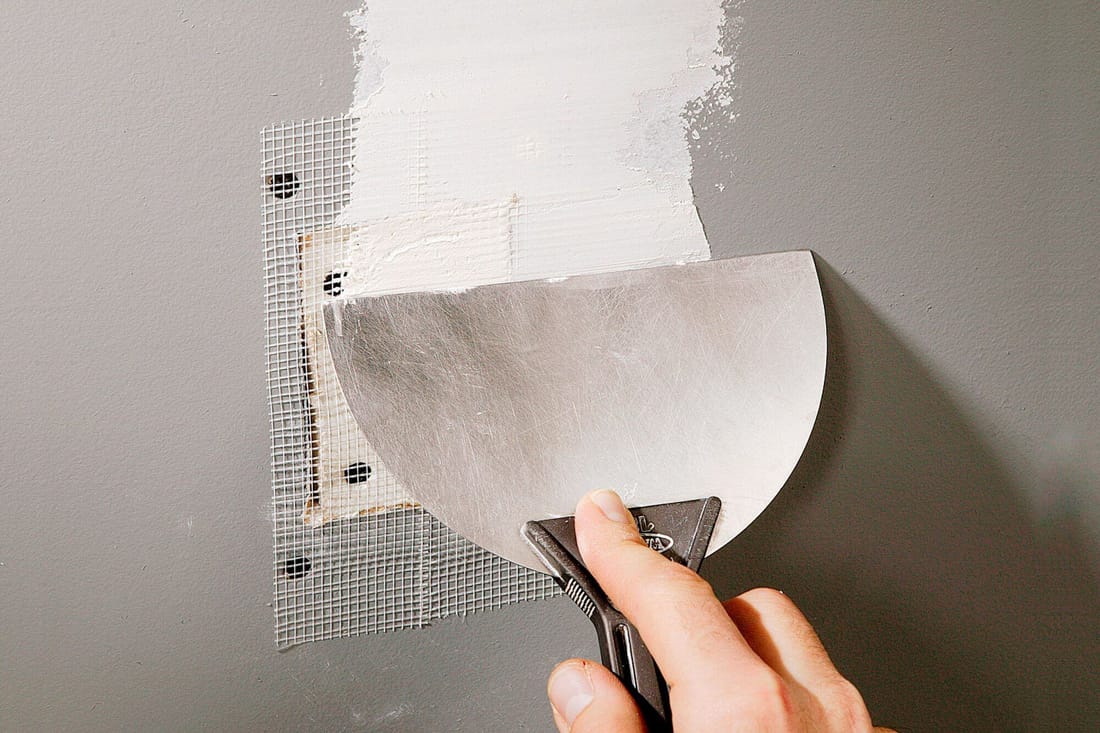
4. Medium and large holes: For holes from TV mounts, door knob impacts, or rough moves, we install backing support (such as wood cleats or repair clips), then screw in a cut‑to‑fit drywall patch. Joints are taped with fiberglass or paper tape, then coated in multiple layers of joint compound, feathered wider than the damaged area so repairs disappear under flat or eggshell paint.
5. Matching existing textures and surfaces: Many New York City rentals have a mix of old plaster and newer drywall. Our installers use different techniques (skim coating, light texturing, or sanding flush) so patched areas match what is already there. This is especially important in older co‑ops and brownstones where walls are not perfectly flat.
6. Sanding and priming: Once dry, we sand smooth, vacuum dust from surfaces, and spot prime repaired areas with a quality primer that blocks flashing. This step keeps repaired sections from showing as dull or shiny patches after your painter finishes.
7. Final walk‑through: Before we leave, we walk each room with a work light to catch edge lines or imperfections, and correct them on the spot so you are not stuck calling us back the day before a new lease starts.
Drywall repair options that work for different rental strategies
Not every New York, NY rental is managed the same way, so we tailor our drywall repair approach to your strategy and budget.
For high‑turnover, mid‑range rentals, we focus on durable, clean repairs that look good in person and in listing photos. This often means consolidating many small wall marks into a single skim‑coated area, so repainting is simpler and less time consuming for you or your painter.
For premium or staged apartments, we can go a step further. If your listing photographer is capturing every angle, we smooth out broader wall sections so light does not reveal uneven patches. We also pay extra attention to corner beads and long ceiling seams, since these stand out in wide‑angle photos common in New York rental marketing.
For long‑term hold units where you may want to minimize future repairs, we may recommend using setting‑type compounds at recurring trouble spots, adding corner guards in tight hallways, or upgrading flimsy existing drywall to a thicker board in high‑abuse areas. These choices cost a bit more up front but reduce the number of chargebacks or disputes with tenants over wall conditions at future move‑outs.
What affects the cost of rental property drywall repair in New York
Owners and managers in New York, NY often need line‑item detail for their spreadsheets or investor reports, so we are transparent about what drives drywall repair pricing.
1. Quantity and type of damage: A single fist‑sized hole is one price, fifty small anchor holes throughout a one‑bedroom is another. We typically price by a combination of room or zone and severity, which is often more economical than per‑hole billing for landlords.
2. Access and building logistics: Walk‑ups on the fifth floor without a freight elevator can take more time for materials and tools. Buildings with strict work windows or complex insurance requirements also affect labor time. Superior Drywall New York is already set up with COI and insurance documentation that many NYC management firms require, which can save you time on approvals.
3. Substrate and existing conditions: Working over brittle plaster, multiple old repairs, or surfaces with many layers of thick paint take more prep than a newer sheetrock wall. If we discover underlying issues such as hidden moisture or prior improper repairs, we will explain options before proceeding.
4. Finish expectations: A quick, functional repair that will be hidden by a wardrobe is not priced the same as a full‑wall skim coat in a luxury rental that needs to pass a picky board approval.
We can give ballpark estimates from photos, but for larger or recurring portfolios, we often create a standard pricing matrix for owners and managers so you can predict costs across multiple units with similar layouts.
Why local experience matters for NYC rental drywall repairs
New York City rentals involve more than just fixing holes in walls. There are building supers, co‑op boards, doormen, and neighbors to consider. Superior Drywall New York is used to coordinating with busy property managers, brokers trying to schedule showings, and tenants who might still be cleaning out their belongings.
Being local means we already know about typical building requirements in Manhattan and nearby boroughs, such as insurance certificates, union versus non‑union buildings, and elevator booking procedures. We plan our crews and materials around street parking limitations and loading rules, which reduces the chance that a simple drywall repair turns into a delayed turnover because someone’s truck was ticketed or towed.
We also understand how New York’s climate affects materials in rentals. Summer humidity, window A/C units dripping on walls, and steam from older building heating systems all influence what compounds, primers, and tapes will hold up. That knowledge lets us choose repair methods that stay stable between tenant cycles instead of cracking or peeling within a year.
Scheduling, coordination, and move‑out timelines
Rental turnovers in New York, NY often come with very specific dates: last day of the lease, cleaning day, painting day, photography day, and first showing. Our drywall repair service is set up to plug into that schedule, not disrupt it.
We can often inspect the unit within 24 to 48 hours after a tenant gives notice or moves out, so you can line up painters and cleaners with confidence. For managed buildings, we are comfortable working from key releases with the super, then sending digital before‑and‑after photos for your records. This is particularly useful for portfolio owners who may not set foot in every unit personally.
If you are a smaller landlord or condo owner handling a single unit, we will walk you through the sequence so you do not lose days unnecessarily. In most cases, drywall repair should happen before final painting and deep cleaning. That way dust and touch‑ups are handled once, and you are not paying to clean a unit twice.
Superior Drywall New York is committed to being a reliable local partner. When you call us for rental property drywall repair, our goal is to have your apartment or small building unit ready for photos and showings on schedule, with walls that help your listing stand out in a very competitive New York City market.