Home › Drywall With Insulation and Vapor Barriers
Superior Drywall New York installs insulated drywall in New York, NY to improve comfort and energy efficiency. We combine proper insulation, vapor barriers, and drywall to create tight wall assemblies. Reduce drafts, control moisture, and enjoy more consistent temperatures throughout your home.
Superior Drywall New York provides professional insulated drywall installation throughout New York, NY, New York and the surrounding area. Our licensed, insured crew delivers safe, clean, on-time work with a free estimate before anything begins. Call (332) 244-4102 or request your free quote.
Insulated Drywall Installation in New York, NY
Superior Drywall New York delivers insulated drywall installation that is tuned to the way New York buildings actually perform. In this city, you are dealing with party walls, aging masonry, mixed-use spaces, and strict energy rules, so the right combination of insulation and vapor barrier is not optional. It is what keeps your apartment or commercial space comfortable, quiet, and protected from hidden moisture damage.
When we design a system for drywall with insulation and vapor barriers, we look first at the building type and orientation. A prewar brick walk-up in the East Village needs a different approach than a glassy condo near Hudson Yards or a ground-floor retail space in SoHo. We inspect existing walls, check for signs of condensation or efflorescence, identify penetrations like old pipes or cable runs, and measure cavity depths. Only then do we specify the insulation R-values and the level of vapor control needed to work with New York’s humid summers and freeze-thaw winters.
Our goal is a wall or ceiling assembly that delivers thermal comfort, sound reduction from neighboring units, and long-term durability, while still complying with NYC Building Code and energy standards. Every recommendation we make is based on how these systems actually age in local buildings, not on generic manufacturer diagrams.
How We Install Drywall With Insulation and Vapor Barriers
A typical insulated drywall installation from Superior Drywall New York follows a clear step-by-step process so you know exactly what is happening inside your walls.
First, we open or frame the wall or ceiling and inspect the substrate. In New York, that might be old brick, CMU block, metal studs, or a mix of materials from previous renovations. We clean loose material, treat minor mold if present, and verify that electrical and plumbing rough-ins are complete.
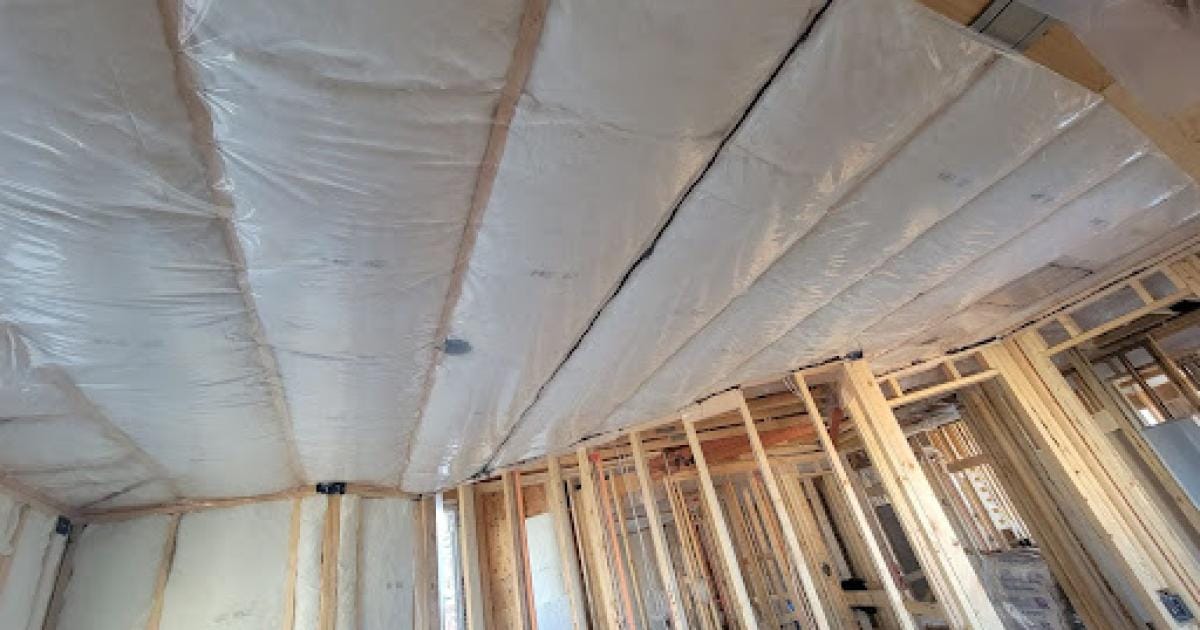
Next, we install insulation. For interior partitions that need sound control, such as between apartments or home offices, we often use mineral wool batts because they handle fire and noise better. For exterior walls or ceilings under roof decks, we choose either high density fiberglass or mineral wool batts sized to fit the stud depth. In some cases, particularly basements or north-facing walls that stay cool and damp, we recommend a combination of rigid foam on the masonry plus batt insulation in the stud cavity to push the condensation point out of the stud bay.
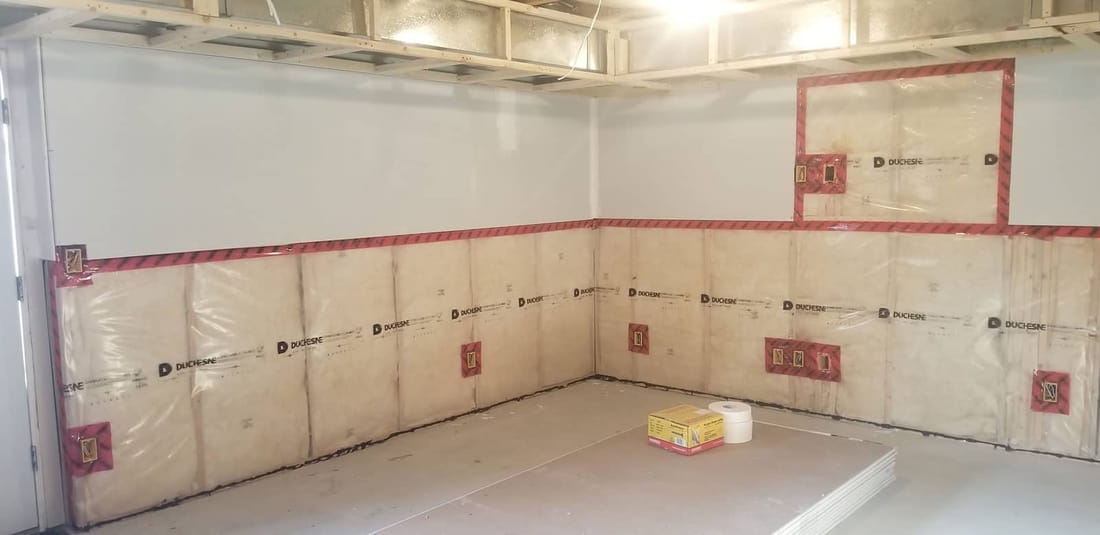
After the insulation is in place and sealed around obstacles, we install the vapor retarder or vapor control layer as required. This can be a dedicated membrane, a smart vapor retarder, or a specific drywall and joint compound system that meets vapor-perm targets. Once that layer is continuous, we hang drywall, fasten it to framing with proper screw spacing, tape and finish seams, and leave a smooth, paint-ready surface that hides the entire insulation and vapor system inside.
Insulation Choices That Work in New York’s Climate
Insulated drywall installation is not one-size-fits-all, especially in a dense city climate with big temperature swings and high summer humidity. Superior Drywall New York evaluates each wall or ceiling to recommend the right insulation type and thickness.
For most residential apartments and townhouses, we use R-13 to R-21 cavity insulation in exterior walls, depending on stud depth and local code requirements. Mineral wool is popular because it is noncombustible, resists sagging in tall walls, and offers strong sound control between units, an important factor in multi-family buildings. Fiberglass batts are an option for cost-sensitive projects, but we insist on snug, full-depth placement without compression or gaps to avoid cold spots and drafts.
In certain Manhattan buildings where space is tight and performance targets are high, we may recommend adding rigid foam board on the interior side of masonry before framing and drywall. This creates a thermal break that helps reduce condensation risk on cold brick surfaces. For ceilings below unconditioned roof spaces, we verify ventilation and sometimes increase insulation thickness to control summer heat gain from dark roofs that bake in the sun.
Our team explains the pros and cons of each configuration, including where it is worth spending more for acoustic mineral wool near stairwells or on shared bedroom walls, and where standard fiberglass is sufficient. The result is an assembly that meets code, improves comfort, and fits your budget.
Vapor Barriers and Moisture Control for NYC Buildings
Getting the vapor barrier or vapor retarder right is critical in New York. Too little control and you get condensation in your walls. Too much in the wrong place and you can trap moisture where it cannot dry. Superior Drywall New York focuses on creating a vapor strategy that respects how your building is built and how it breathes.
In many NYC projects, especially older brick or stone buildings, we favor vapor-retarding systems rather than fully impermeable plastic barriers. Smart membranes or rated paints allow limited drying while still slowing interior moisture from reaching cold wall surfaces in winter. In basements and first-floor spaces close to sidewalks or courtyards, we may pair rigid foam insulation with sealed seams and a careful taping strategy to control moisture and air at the same time.
We pay special attention to penetrations. Electrical boxes, plumbing chases, recessed lights, and HVAC lines are all locations where a good vapor strategy can fail. We seal around these points with compatible tapes, gaskets, or caulks to maintain continuity. At transitions, like where an insulated drywall partition meets a concrete column or window frame, we detail the vapor layer so it does not stop short and create localized condensation.
Before we close any wall, our crew visually inspects the vapor control layer and, where requested, coordinates blower door or infrared testing with your energy consultant to confirm performance. This level of care is what prevents peeling paint, musty smells, and hidden mold several winters down the road.
Cost Factors for Insulated Drywall Installation in New York, NY
Project cost for drywall with insulation and vapor barriers in New York is driven by more than just square footage. Superior Drywall New York explains the variables upfront so you are not surprised as work progresses.
Access is a major factor. Walk-up buildings, limited freight elevator hours, and loading restrictions common in Manhattan can affect labor time. Tight hallways or need for off-hours work to comply with building rules are folded into our planning and pricing. Wall height and complexity also matter. Ten to twelve foot ceilings, bulkheads for ductwork, and irregular framing require more cutting, staging, and finishing time than standard 8 foot walls.
Material choices influence budget. Mineral wool, rigid foam, and smart vapor membranes cost more than basic fiberglass and simple drywall, but often provide better comfort and long-term protection. We typically present at least two configurations: a baseline that meets code and a higher-performance package that improves sound and moisture control.
Existing conditions can add scope. If we open walls and discover uninsulated cavities, deteriorated backing, or previous non-compliant work, we will document it with photos and discuss options immediately. Our estimates clearly show labor, materials, disposal of old drywall, and any required firestopping or sound caulking at floor and ceiling joints. This transparency is key in co-op and condo settings where boards often review and approve construction costs.
Common Problems We Solve in NYC Apartments and Commercial Spaces
Because we work across all boroughs, Superior Drywall New York sees recurring problems that lead owners to upgrade to insulated drywall with proper vapor control.
One frequent issue is cold exterior walls in prewar buildings, where original plaster sits directly on brick. Tenants complain about drafts and condensation behind furniture. Our solution typically includes adding a thin rigid foam layer against the masonry, installing new metal studs with cavity insulation, applying a controlled vapor layer, then finishing with drywall. This reduces heat loss and minimizes the chance of condensation on interior surfaces.
In high rise apartments and offices, residents often struggle with noise between units. While the primary goal of insulated drywall might be temperature control, we design assemblies that also reduce sound transfer. This can include staggered or double studs, mineral wool batts, acoustic sealant at perimeters, and double layers of drywall with offset seams. When combined with the right vapor strategy, you gain quieter rooms without sacrificing moisture performance.
Retail and restaurant spaces at street level present another challenge. Exterior walls can be subject to temperature swings from glass storefronts and added humidity from cooking or crowding. We select moisture resistant drywall where needed, integrate continuous insulation, and detail vapor control to match the expected interior humidity level. The result is a finish that holds paint and tile well, instead of cracking or bubbling after the first busy season.
Why Work With Superior Drywall New York for Insulated Drywall
Selecting a contractor for insulated drywall installation is about more than who can hang board the fastest. You are trusting someone to build the hidden parts of your wall that determine comfort and durability for decades. Superior Drywall New York is structured around that responsibility.
We understand how NYC permitting, building management approvals, and neighbor coordination affect project schedules. Our team is familiar with local energy requirements and fire codes, including what is expected in corridors, shafts, and demising walls. We regularly coordinate with architects, engineers, and superintendents to verify that insulation and vapor details match stamped drawings and manufacturer warranties.
Our crews are trained specifically on sequencing for insulation and vapor barrier work. They know that one missed seam or compressed batt can undermine a whole wall. Job sites are photographed at each stage, so owners and design professionals can see exactly how the assemblies were built before drywall closes them in. This is particularly valuable for co-op boards and commercial landlords who want a record for future renovations.
From small condo renovations to multi-floor commercial buildouts, our approach is consistent: clear planning, precise material selection, and disciplined installation that respects how New York buildings actually function over time.